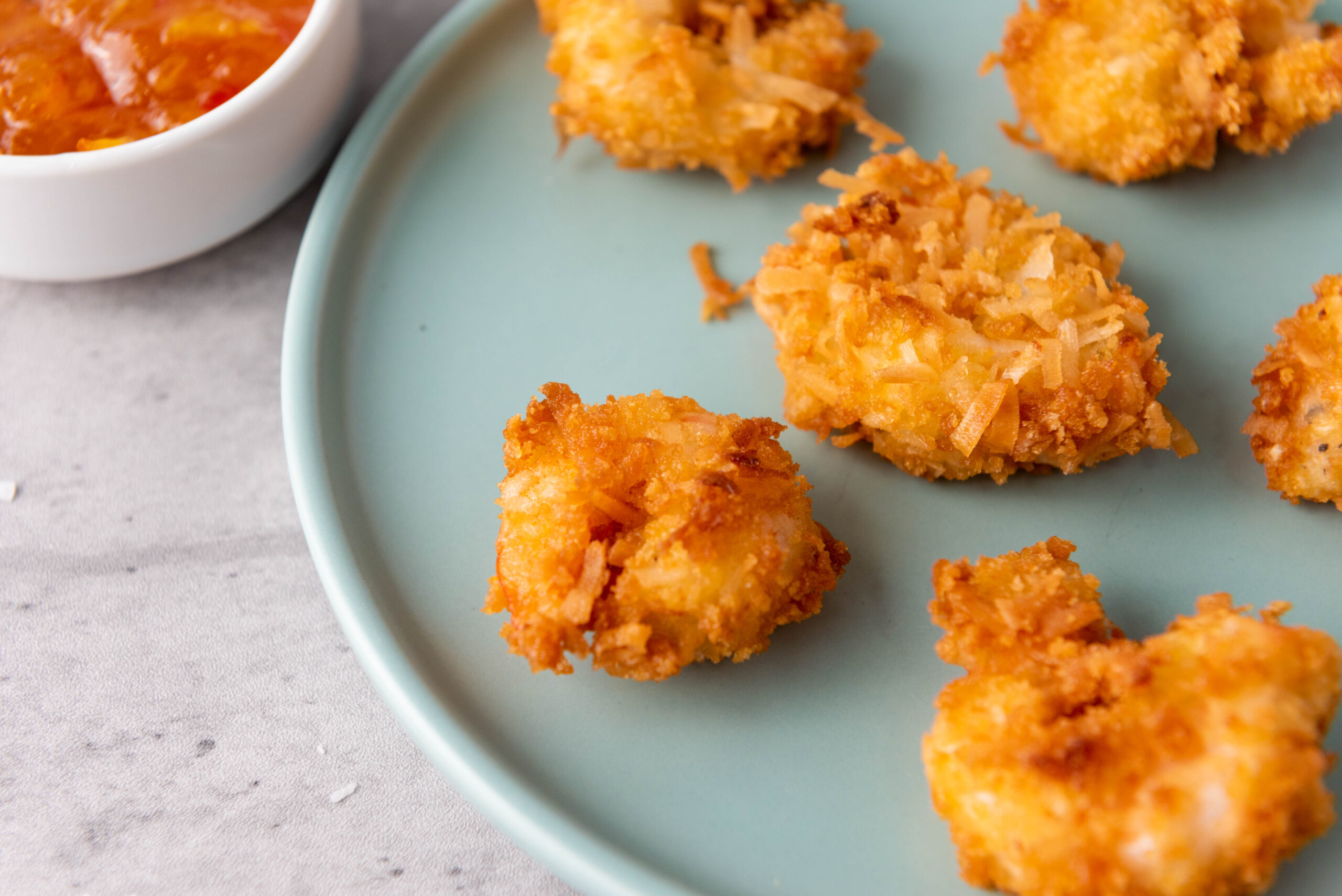
Bring the Beach to Your Kitchen: Easy Homemade Coconut Shrimp
Imagine the gentle lapping of waves, a warm breeze carrying the scent of the ocean, and the blissful relaxation of a tropical getaway. For many, the mere mention of
coconut shrimp conjures up this exact picture – an instant culinary passport to paradise. There's an undeniable allure to these crispy, golden-fried morsels, perfectly balancing sweet and savory notes, transporting us straight to the Gulf Coast or a Caribbean island, even if we're just standing in our home kitchen.
While often enjoyed at seaside restaurants or as a delightful appetizer during a night out, the secret is out: making restaurant-quality
homemade coconut shrimp is surprisingly easy and incredibly rewarding. Forget wistfully dreaming of a vacation; today, we're bringing that crowd-pleasing, beach-inspired experience directly to your dining table. This article will guide you through crafting the ultimate crispy, flavorful coconut shrimp, complete with expert tips and tricks to ensure every bite is a taste of pure bliss.
The Magic Behind Perfect Homemade Coconut Shrimp
The allure of perfectly cooked
coconut shrimp lies in its delightful contrast: succulent, juicy shrimp encased in a golden, crunchy coating bursting with tropical flavor. Achieving this balance starts with selecting the right ingredients and understanding the fundamental steps of building that irresistible crust.
Selecting Your Star: The Shrimp
The foundation of any great shrimp dish is, naturally, the shrimp itself. For
homemade coconut shrimp, size matters. We recommend using
large, jumbo, or colossal shrimp (typically 16-20 count or larger per pound). These larger specimens offer a more substantial bite, are less prone to overcooking, and provide a generous canvas for the coconut breading.
Whether you opt for fresh or frozen, ensure your shrimp are properly peeled and deveined. Leaving the tail on is a classic presentation choice, offering a convenient handle and an appealing visual, but it's not strictly necessary if you prefer them fully shelled. Most importantly, before breading, thoroughly pat your shrimp dry with paper towels. Excess moisture is the enemy of crispiness, preventing the breading from adhering properly and leading to a soggy result.
Crafting the Crispy Coconut Coating
The breading is where the magic truly happens, transforming simple shrimp into a tropical delight. A classic three-stage breading process ensures maximum coverage and crispness:
1.
Flour Dredge: A light coating of all-purpose flour helps absorb any remaining moisture and provides a base for the egg wash to stick to. You can season your flour with a pinch of salt and pepper, or even a dash of cayenne for a subtle kick.
2.
Egg Wash: Beaten eggs (often with a splash of milk or water) act as the glue, allowing the coconut mixture to adhere.
3.
Coconut-Panko Blend: This is the star of the show. While shredded coconut alone can work, combining it with panko breadcrumbs is a game-changer for ultimate crispiness. Panko, a Japanese-style breadcrumb, is coarser and flakier than traditional breadcrumbs, resulting in a lighter, airier, and more satisfying crunch.
*
Coconut Choice: You have options here.
Sweetened flaked coconut will provide a more pronounced sweetness, which many prefer for classic coconut shrimp. If you want to control the sugar content or prefer a more savory profile, opt for
unsweetened desiccated or shredded coconut. You can always add a touch of sugar to the panko mix if you go unsweetened.
*
Enhancements: Consider adding a touch of lime zest to your coconut-panko blend for an extra layer of bright, tropical flavor. A pinch of garlic powder or a sprinkle of finely chopped fresh cilantro can also elevate the profile.
For the crispiest results, some chefs swear by a double-breading technique, especially for the coconut-panko layer. After the first dip in the coconut mixture, return the shrimp to the egg wash, and then back into the coconut blend for an extra-thick, extra-crunchy coating.
Mastering the Fry: Achieving Golden Perfection
The key to truly sublime
coconut shrimp is the frying method. While there are alternative cooking options, deep-frying remains the undisputed champion for achieving that signature golden-brown exterior and perfectly cooked, juicy interior that tastes just like a beach vacation.
Deep Frying Demystified
Don't be intimidated by deep frying; with a few simple precautions and the right tools, it's a straightforward process that yields unparalleled results.
*
Oil Selection: Choose an oil with a high smoke point, such as vegetable oil, canola oil, peanut oil, or corn oil. These oils can withstand the high temperatures needed for frying without breaking down or imparting undesirable flavors.
*
Temperature Control: This is critical. The ideal temperature for frying
coconut shrimp is between 350°F and 375°F (175°C to 190°C). Too low, and your shrimp will absorb too much oil and become greasy; too high, and the outside will burn before the inside cooks through. A reliable kitchen thermometer (clip-on or instant-read) is an invaluable tool here.
*
Equipment: A heavy-bottomed pot like a Dutch oven or a deep skillet is ideal for maintaining consistent oil temperature and ensuring even cooking.
*
Batch Frying: Never overcrowd the pan. Frying shrimp in small batches (3-5 at a time, depending on your pot size) is essential. Overcrowding drops the oil temperature significantly, leading to soggy, poorly cooked shrimp. Give each piece enough space to cook evenly and turn golden.
*
Drainage: Once perfectly golden and crispy (usually 2-3 minutes per side, depending on size), remove the shrimp from the oil using a slotted spoon or spider. Place them immediately on a wire rack set over a baking sheet lined with paper towels. This allows excess oil to drip away and air to circulate, maintaining maximum crispness. Season with a sprinkle of sea salt immediately after frying.
For an in-depth guide to achieving that restaurant-quality crisp, check out our article on
Get Super Crispy Coconut Shrimp: Deep Fry for Perfect Results.
Considering Alternative Cooking Methods
While deep-frying offers the ultimate texture, we understand that some prefer alternative methods for health or convenience.
*
Air Fryer: A popular choice for a crispier result with less oil. To air fry
coconut shrimp, lightly spray the breaded shrimp with cooking spray before placing them in a single layer in the air fryer basket. Cook at 375°F (190°C) for 8-12 minutes, flipping halfway through, until golden and cooked through. Results will be good, but often less juicy than deep-fried.
*
Baking: For the lowest oil option, arrange breaded shrimp on a wire rack set over a baking sheet, lightly spray with oil, and bake at 400°F (200°C) for 12-18 minutes, flipping once, until golden. Expect a crisp texture, but it may not be as robust as fried versions.
Even with these alternatives, deep-frying typically yields the most authentic and satisfying
crispy coconut shrimp experience.
The Perfect Pairings: Sauces and Sides
A magnificent plate of
homemade coconut shrimp wouldn't be complete without the perfect supporting cast. The right dipping sauce and complementary side dishes elevate the entire experience, turning a simple meal into a memorable occasion.
Dive into Dipping Sauces
The quintessential accompaniment for coconut shrimp is a dipping sauce that provides a sweet, tangy, and often spicy counterpoint to the rich, crispy shrimp.
*
Sweet Chili Sauce: This is the classic for a reason. Its vibrant balance of sweetness, tanginess from vinegar, and a gentle warmth from chili flakes perfectly cuts through the richness of the fried shrimp. You can find excellent store-bought versions, or easily whip up your own with a base of red pepper jelly or apricot jam, a dash of rice vinegar, soy sauce, and a pinch of red pepper flakes and garlic.
*
Mango Salsa: For a fresh, bright, and truly tropical pairing, a homemade mango salsa is unbeatable. Dice fresh mango, red onion, jalapeño, and cilantro, then toss with lime juice. The sweetness and acidity of the mango complement the coconut beautifully.
*
Pineapple-Jalapeño Dip: Similar to mango salsa, a pineapple-based dip offers a refreshing sweetness with a hint of heat.
*
Orange Marmalade Sauce: A simple glaze made from orange marmalade, a splash of rice vinegar, and a touch of soy sauce or ginger can create a delightful sweet-citrusy dip.
*
Honey Mustard: While less common, a creamy honey mustard sauce offers a tangy-sweet contrast that some find surprisingly delicious with coconut shrimp.
Complementary Side Dishes
Whether you're serving your
coconut shrimp as an appetizer or a main course, thoughtful side dishes enhance the meal.
*
Fresh Salad: A light, crisp green salad with a citrus vinaigrette (like lime or orange) provides a refreshing contrast to the fried shrimp. A coleslaw with a tangy dressing is also a fantastic choice, echoing the reference's mention of classic fried sides.
*
Tropical Slaw: Elevate your coleslaw with shredded jicama, pineapple chunks, and a lime-cilantro dressing.
*
Rice Dishes: Cilantro-lime rice or a light pilaf can make it a more substantial meal.
*
Grilled Pineapple or Mango: A side of grilled fruit brings out more tropical notes and offers a warm, caramelized sweetness.
*
Fried Sides: As our reference suggests, if you have the oil hot, consider whipping up other fried delights like
Fried Pickle Chips or
Corn Nuggets for an ultimate comfort food experience.
*
Roasted Vegetables: Simple roasted asparagus or green beans with a squeeze of lemon offer a healthy and vibrant counterpoint.
Whether serving as a festive appetizer or a delightful main, understanding its appeal is key. Dive deeper into why this dish is a guaranteed winner with
Coconut Shrimp: Your Crowd-Pleasing Beach Vacation at Home.
Tips for Success & Making it Your Own
Crafting perfect
homemade coconut shrimp is an art that benefits from a few expert insights and allows for personal flair.
*
Don't Rush the Dredge: Take your time with the breading process. Ensure each shrimp is fully coated at each stage for even crispiness. Press the coconut-panko mixture firmly onto the shrimp to ensure it adheres well.
*
Prevent Soggy Shrimp: Beyond patting dry and proper frying temperature, always place cooked shrimp on a wire rack (not directly on paper towels) to allow air circulation and prevent steam buildup, which can lead to sogginess.
*
Make Ahead: You can bread the shrimp in advance! Arrange the breaded shrimp in a single layer on a baking sheet, cover loosely with plastic wrap, and refrigerate for up to a few hours before frying. This can make meal prep much smoother.
*
Reheating: For best results, reheat leftover
coconut shrimp in an air fryer at 350°F (175°C) for 5-7 minutes, or in a preheated oven at 375°F (190°C) for 8-12 minutes, until crispy and heated through. Microwaving will make them chewy and lose their crispness.
*
Spice It Up: If you love a little heat, incorporate a pinch of cayenne pepper or a dash of your favorite hot sauce into the flour dredge or egg wash.
*
Herbaceous Notes: Finely chopped fresh cilantro or parsley can be mixed into the coconut-panko blend for an added layer of freshness and color.
*
Lemon/Lime Finish: A final squeeze of fresh lemon or lime juice over the freshly fried shrimp brightens the flavors and adds a zesty finish.
Conclusion
There's no need to book a flight to enjoy the sun-kissed flavors of a tropical vacation. With a little effort and a lot of love, you can bring the unforgettable taste of
homemade coconut shrimp right into your kitchen. From the careful selection of plump shrimp to the meticulous crafting of the crispy coconut breading and the perfect golden fry, every step contributes to a dish that's nothing short of a culinary escape.
So, next time that craving for something delightfully crispy, sweet, and savory hits, channel your inner beach bum. Gather your ingredients, get your oil ready, and prepare to impress yourself and your loved ones with an incredible plate of coconut shrimp. It's more than just a meal; it's an experience, a mini-vacation in every bite, waiting to brighten your day and fill your kitchen with the irresistible aromas of paradise.