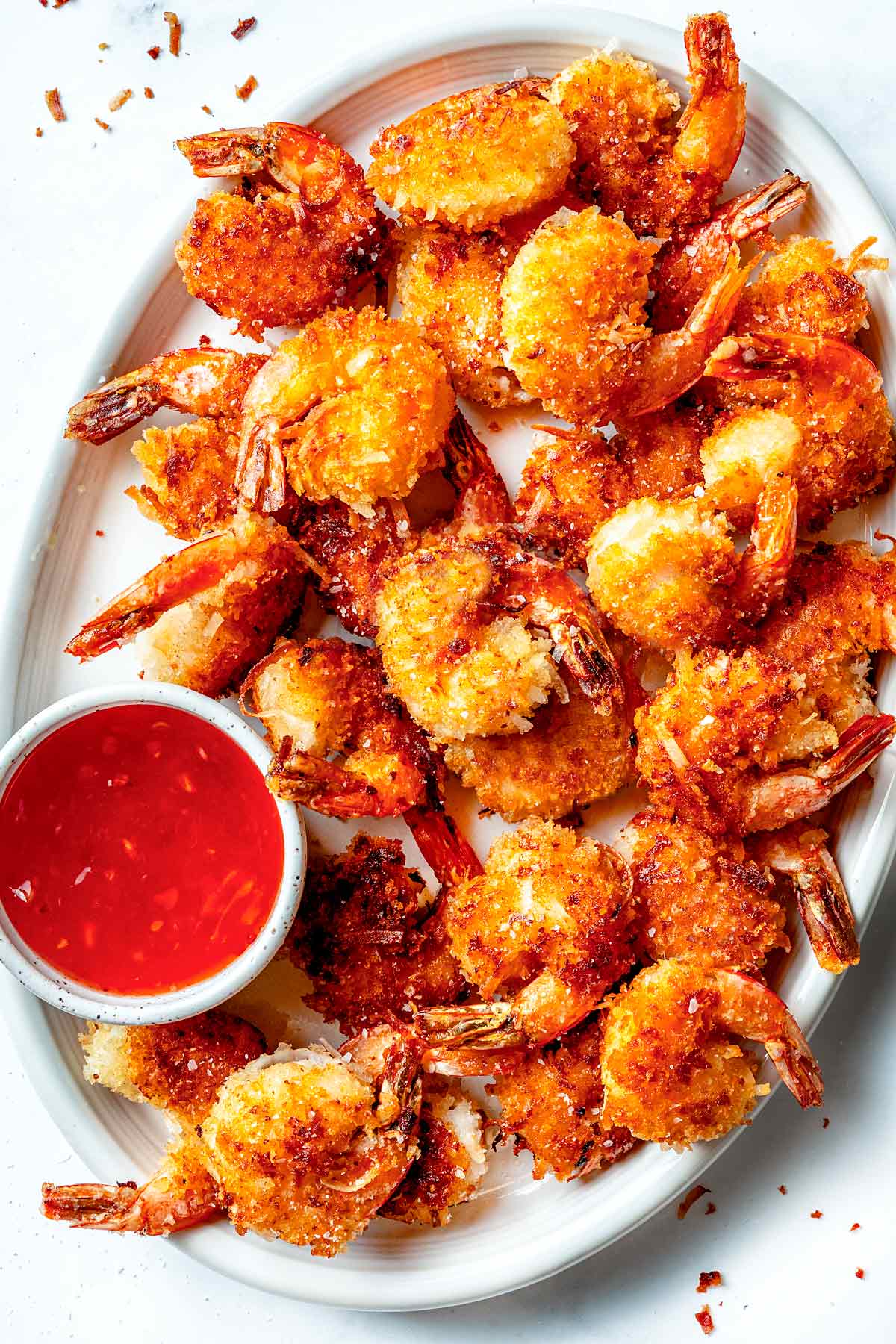
Get Super Crispy Coconut Shrimp: Deep Fry for Perfect Results
Few dishes evoke the bliss of a tropical getaway quite like perfectly prepared homemade coconut shrimp. The mere mention of it might have you hearing the faint strum of a ukulele, imagining a cool piña colada in hand, and yearning for the salty breeze of the Gulf Coast. That instantaneous transportation to a beach vacation, even from the comfort of your own kitchen, is a magic that crispy, flaky coconut shrimp effortlessly performs. While there are many ways to prepare this beloved dish, if you're chasing that elusive, irresistible crunch that truly makes it special, deep frying is not just a method – it's the *secret*. Forget the often-disappointing results of baking or air frying when the goal is maximum crispness and an even, golden-brown finish. For a truly authentic, restaurant-quality experience where every bite delivers a satisfying crackle followed by succulent shrimp, deep frying reigns supreme. It's easier than you might think, and the payoff in texture and flavor is absolutely unparalleled. In this comprehensive guide, we'll dive deep into mastering the art of deep-fried coconut shrimp, ensuring your next batch is a crowd-pleasing hit that tastes just like a dream beach vacation.Why Deep Frying is the Secret to Super Crispy Coconut Shrimp
The quest for the ultimate crispy texture often leads home cooks down various culinary paths, but when it comes to coconut shrimp, the deep fryer is the undisputed champion. Unlike other cooking methods, deep frying rapidly cooks the shrimp while creating a beautifully crisp exterior, sealing in moisture and flavor.When shrimp are submerged in hot oil, a scientific process occurs that creates that coveted crunch:
- Rapid Dehydration of the Coating: The intense heat of the oil instantly begins to dehydrate the outer breading. This quick moisture loss is what makes the breading rigid and crispy.
- Even Heat Distribution: Because the shrimp is fully immersed, it cooks evenly from all sides. This prevents one side from becoming overly crisp while another remains soft.
- Golden Browning (Maillard Reaction): The high temperature facilitates the Maillard reaction, a chemical process that creates rich, complex flavors and the desirable golden-brown color we associate with perfectly fried foods.
- Minimal Oil Absorption (Surprisingly!): Counterintuitively, if the oil is at the correct temperature (between 350-375°F or 175-190°C), the food actually absorbs *less* oil. The moisture inside the shrimp rapidly turns to steam, creating a barrier that prevents oil from penetrating too deeply. If the oil isn't hot enough, the food will absorb more oil and become greasy.
This combination of factors results in a shell of pure, unadulterated crunch that shatters with each bite, revealing tender, juicy shrimp within. It's a textural masterpiece that simply cannot be replicated by baking or air frying, which tend to yield a drier, chewier, or less consistently crisp result.
Essential Gear and Ingredients for Perfect Coconut Shrimp
Achieving deep-fried perfection starts with having the right tools and the freshest ingredients. Don't skimp on quality; it truly makes a difference in the final product.Choosing Your Shrimp
The foundation of great coconut shrimp is, naturally, the shrimp itself. Look for large to jumbo shrimp (21-25 count per pound or larger) for the best results. They offer a substantial bite and are less likely to overcook compared to smaller varieties. Fresh shrimp are ideal, but high-quality frozen shrimp, properly thawed, work wonderfully too. Ensure they are peeled and deveined, leaving the tail on for a convenient handle and an elegant presentation.
Crafting the Perfect Breading
The breading is where the magic happens for that signature coconut flavor and unparalleled crispiness. You'll need a three-stage breading station:
- Flour Dredge: All-purpose flour seasoned with a pinch of salt and pepper. This helps dry the surface of the shrimp, allowing the egg wash to adhere better.
- Egg Wash: Beaten eggs (often with a splash of milk or water) act as the "glue" for the coconut coating.
- Coconut Mixture: This is the star!
- Sweetened Flaked Coconut: Essential for that characteristic tropical flavor and texture.
- Panko Breadcrumbs: A non-negotiable for extra crispiness. Panko is lighter and flakier than regular breadcrumbs, absorbing less oil and yielding a superior crunch.
- Optional Seasonings: A touch of paprika, garlic powder, or even a tiny pinch of cayenne can elevate the flavor profile.
Deep Frying Essentials
- Heavy-Bottomed Pot: A large, heavy-bottomed pot like a Dutch oven is crucial. Its thick walls and base maintain a consistent oil temperature, which is key to preventing greasy, soggy shrimp.
- Deep-Frying Thermometer: Absolutely essential for monitoring oil temperature. Guessing can lead to disaster!
- Neutral Oil with High Smoke Point: Vegetable oil, canola oil, peanut oil, or grapeseed oil are excellent choices. They have a high smoke point, meaning they can be heated to the required temperature without breaking down or imparting off-flavors.
- Slotted Spoon or Spider: For safely adding and removing shrimp from the hot oil.
- Wire Rack and Paper Towels: For draining excess oil, allowing the shrimp to stay crisp.
Step-by-Step Guide to Deep Frying Coconut Shrimp
Deep frying might seem intimidating, but with careful preparation and attention to detail, you'll be a master in no time.Prepping for Perfection
- Thaw and Pat Dry: If using frozen shrimp, thaw them completely in the refrigerator. Regardless of fresh or frozen, pat the shrimp *extremely* dry with paper towels. Excess moisture is the enemy of crispiness and can cause oil to splatter dangerously.
- Set Up Breading Station: Arrange your three shallow dishes in a line: seasoned flour, egg wash, and the coconut-panko mixture.
- Breading Technique:
- Dredge each shrimp thoroughly in the seasoned flour, shaking off any excess.
- Dip into the egg wash, allowing excess to drip off.
- Roll generously in the coconut-panko mixture, pressing gently to ensure a thick, even coating. For an extra-crispy crust, you can even double-dip: after the first coconut coating, dip briefly back into the egg wash and then into the coconut mixture again.
- Chill for Stability: Place the breaded shrimp on a wire rack set over a baking sheet and refrigerate for at least 15-30 minutes. This helps the breading adhere better and prevents it from falling off during frying.
Mastering the Fry
- Heat the Oil: Pour enough oil into your Dutch oven to reach about 3-4 inches deep. Attach your deep-fry thermometer to the side of the pot. Heat the oil over medium-high heat until it reaches a steady 350-375°F (175-190°C). Maintain this temperature throughout frying.
- Fry in Batches: Do NOT overcrowd the pot. Frying too many shrimp at once will drop the oil temperature, leading to greasy, soggy results. Fry 3-5 shrimp at a time, depending on the size of your pot.
- Cook to Golden Perfection: Carefully lower the breaded shrimp into the hot oil using tongs or a spider. Fry for 2-3 minutes, flipping once, until they are beautifully golden brown and crispy. The shrimp should curl into a C-shape.
- Drain Properly: Using a slotted spoon or spider, transfer the cooked shrimp to a wire rack set over paper towels. This allows excess oil to drip away, preventing the bottom from becoming soggy. Lightly season with a pinch of sea salt immediately after frying, if desired.
- Maintain Oil Temperature: Allow the oil to return to the desired temperature range (350-375°F) before adding the next batch.
Safety Tip: Always be cautious when deep frying. Keep a lid nearby to smother any potential oil fires (never use water!). Ensure your pot isn't overfilled and that children and pets are kept away from the hot oil.
Serving Suggestions and Pairing Perfection
The perfectly deep-fried coconut shrimp is a star on its own, but it truly shines when paired with the right accompaniments.Dipping Sauces: The Essential Partner
The classic pairing for coconut shrimp is a sweet chili sauce. Its balance of sweet, spicy, and tangy notes perfectly complements the rich, tropical flavor of the shrimp. You can buy a good quality store-bought version or easily whip up your own with a base of red pepper flakes, rice vinegar, sugar, and a touch of garlic. Other fantastic options include a sweet and sour sauce, a zesty lime aioli, or even a simple mango salsa for an extra burst of tropical freshness.
Sides to Complete the Tropical Feast
While your oil is hot, consider frying up some complementary sides, just like you would on a beachside boardwalk. Classic choices include crispy Fried Pickle Chips or savory Corn Nuggets. For a complete meal, consider:
- Tropical Rice Pilaf: Infused with coconut milk and pineapple.
- Fresh Slaw: A vibrant cabbage or broccoli slaw with a light, tangy dressing.
- Grilled Pineapple or Mango Salsa: Adds a fresh, fruity counterpoint.
- Roasted Asparagus or Green Beans: For a touch of green freshness.
And don't forget the beverages! A refreshing glass of iced tea, a sparkling limeade, or yes, even a homemade piña colada will further enhance that "beach vacation at home" vibe.
